
Gutter Prep Before a Storm Hits Richmond
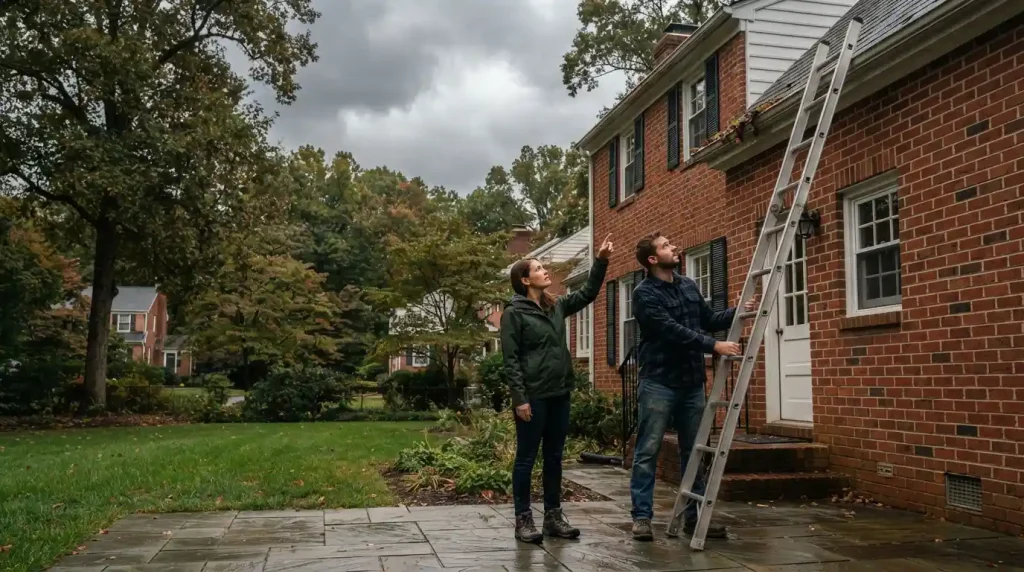
Central Virginia doesn’t take direct hurricane hits the way the coast does, but that doesn’t mean storm season passes Richmond by. Between summer thunderstorms and the occasional tropical system working its way inland, a clogged gutter picks the worst possible moment to become a real problem.
Richmond’s Storm Season, Realistically
Atlantic hurricane season runs June through November, with the highest likelihood of a storm affecting Central Virginia falling in the stretch from mid-August through mid-October. Richmond doesn’t need a direct hurricane landfall to feel it, tropical storm remnants moving inland regularly bring heavy rainfall, flooding, and strong wind gusts even after a system has weakened well below hurricane strength. On top of that, Richmond sees its share of sudden, heavy thunderstorms through the regular summer months, independent of tropical activity entirely.
What to Check Before a Storm Is in the Forecast
- Clear gutters of any existing debris so they can handle a sudden increase in water volume
- Confirm downspouts are directing water well away from the foundation, not just off the roof
- Look for any sagging or loose sections that heavy wind and water weight could pull loose
- Secure or bring in loose outdoor items that could become airborne in high wind
Why a Clogged Gutter Makes a Storm Worse
A gutter that’s already partly blocked can’t move the sudden volume of water a heavy storm brings, and that’s exactly when overflow becomes a real problem instead of a minor inconvenience. Water that should be routed away from the house ends up pooling at the foundation or running down siding instead, and Richmond’s clay heavy soil doesn’t drain that excess quickly once it’s there. A storm doesn’t create a new weakness so much as it finds and exploits whatever weakness was already sitting in the gutter system.
After the Storm Passes
Once conditions are safe, a quick check from the ground can tell you a lot: look for sagging sections, debris that’s built up during the storm, or any new gaps where a gutter has pulled away from the fascia. If you notice water still pooling near the foundation a day or two after the rain has stopped, that’s usually a sign something isn’t draining the way it should.
Where to Get Real Storm Alerts
For actual forecasts and warnings specific to this area, the National Weather Service’s Wakefield office covers Richmond directly, and the Virginia Department of Emergency Management and the city’s Richmond Ready program both offer localized alerts worth signing up for ahead of storm season.
Frequently Asked Questions
Ans- Hurricane season runs June through November, with the highest chance of a storm affecting the Richmond area between mid-August and mid-October. Thunderstorms are also common through the broader summer months independent of tropical activity.
Ans- Direct hurricane landfall is rare this far inland, but tropical storm remnants regularly bring heavy rain, flooding, and strong wind to the area even after a storm has weakened.
Ans- As soon as a storm shows up in the forecast is a reasonable window, ideally a few days ahead rather than the night before, in case a repair turns out to be needed.
Ans- Sagging sections, debris buildup, gaps where the gutter has pulled from the fascia, and any water still pooling near the foundation a day or two later.
Related Guide
Storm season overlaps with Richmond’s heaviest debris months. See The Richmond Homeowner’s Seasonal Gutter Calendar for the full year-round picture.
Curious why Richmond’s storms have felt more intense lately? See Why Gutter Maintenance Matters More in Richmond Now for the data behind it.
See the full library of Richmond gutter guides for more seasonal tips.
Curious how much water your own roof actually sheds during a storm? Try the Richmond Rainfall Calculator.
